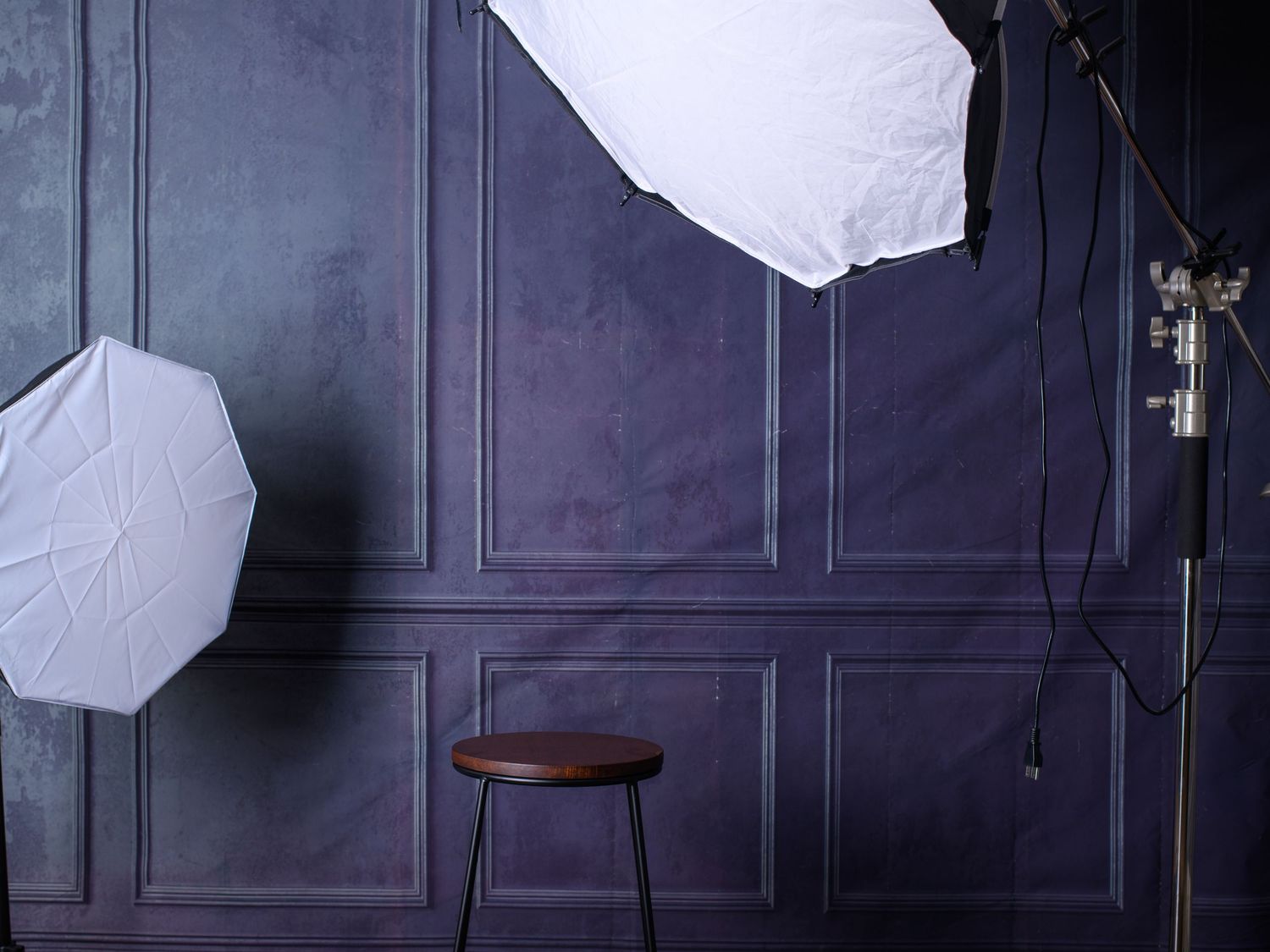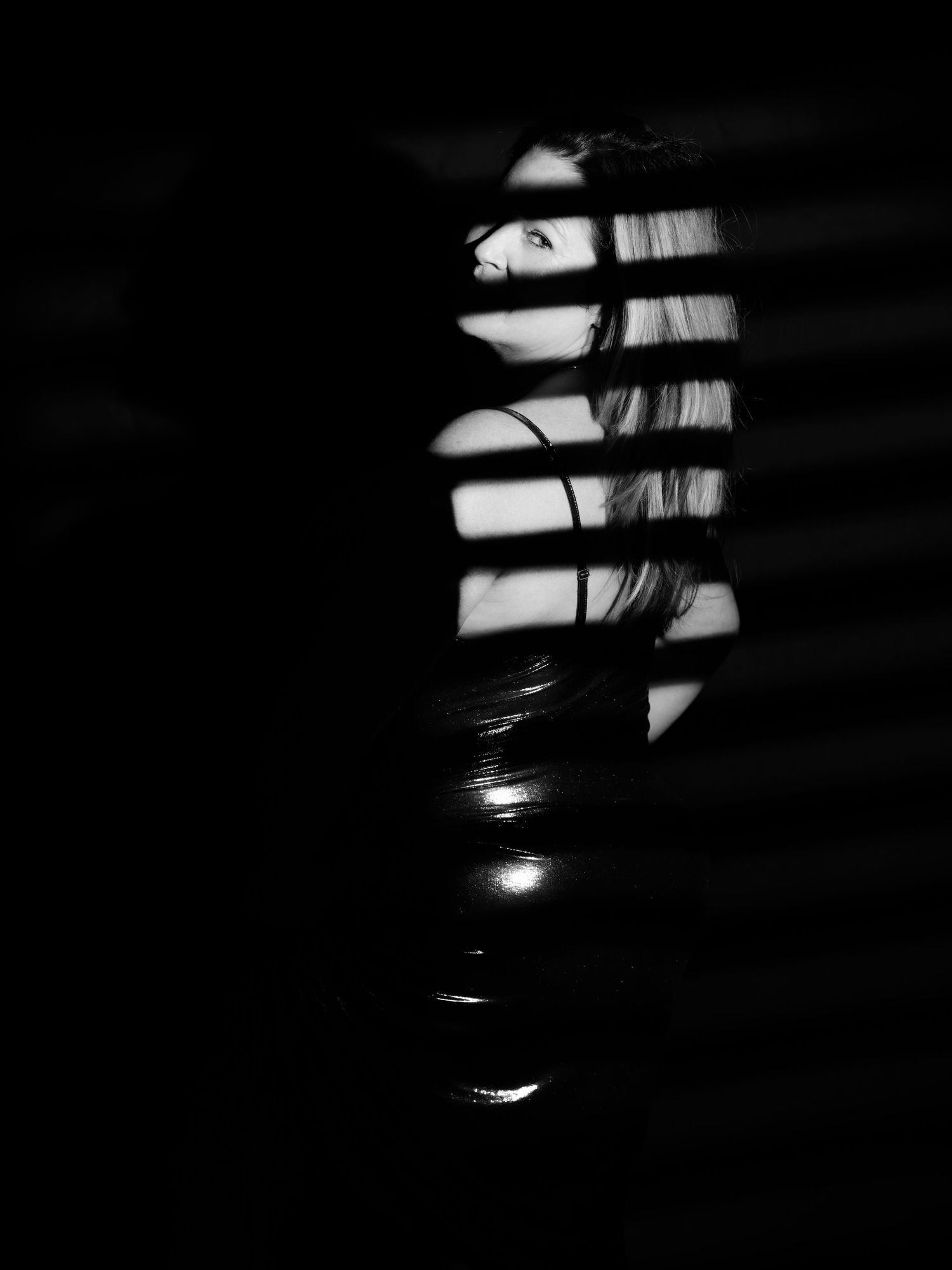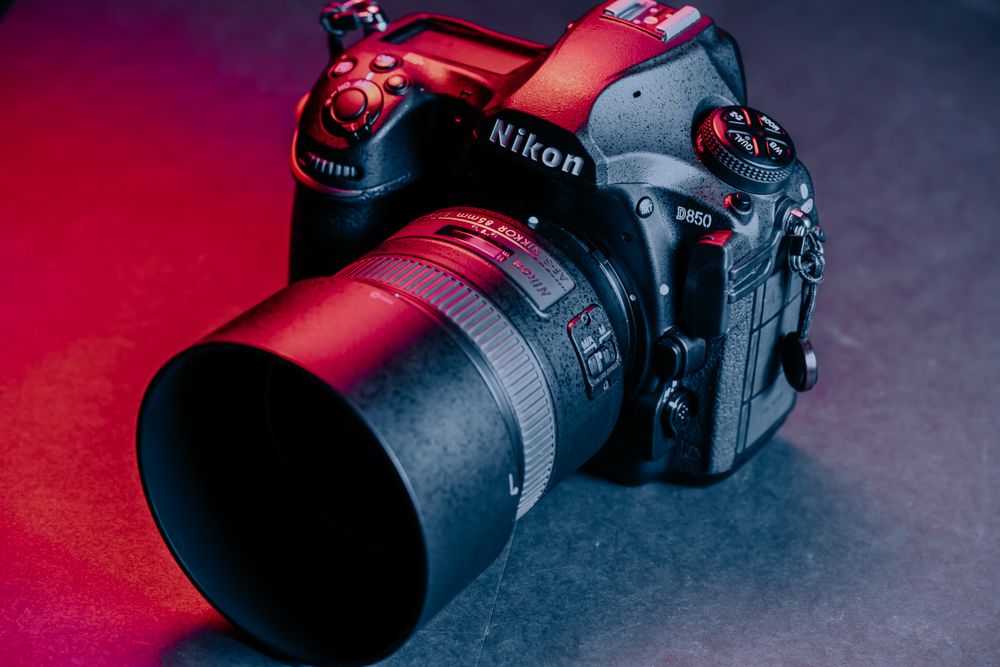
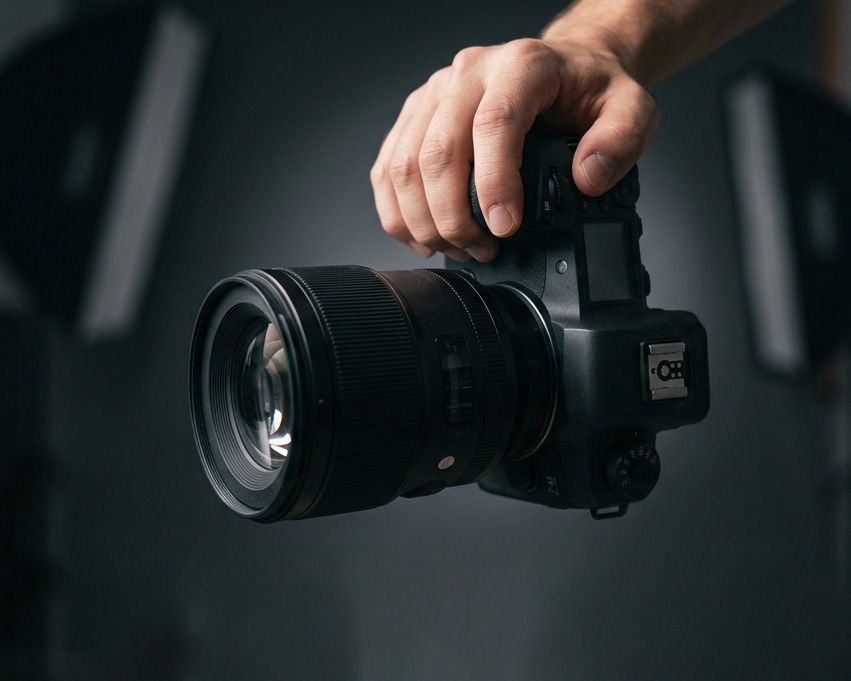
There is a quiet moment that happens right before the shutter clicks, a split second where the studio is perfectly still and the lights are dialled in exactly as they should be. In that brief window of silence, an unwelcome voice occasionally tries to slip into the room. It does not belong to the person in front of the camera, nor does it belong to any physical assistant. It is the internal critic, a whisperer of doubt that asks a single, frustrating question: When will they finally realise that you are just guessing?
This is the trick of imposter syndrome, a psychological phenomenon that runs rampant through professional circles, yet seems to find a particularly comfortable home in the minds of highly skilled photographers. It is the persistent, lingering feeling that your success is a product of luck rather than talent, and that your technical skills are a fluke. For those of us who dedicate our lives to capturing the essence of others through the precise art of boudoir, this voice can become an exhausting nuisance. However, let us be entirely clear from the outset: this feeling is a cognitive distortion, not a reflection of reality. To effectively dismantle it, we must understand how it manifests during quiet business cycles, expose the paradox of formal credentials, and execute a tactical playbook to reclaim our creative momentum.
The Anatomy of a Psychological Glitch
In the professional landscape, imposter syndrome is an ironic tax on expertise. It rarely affects the incompetent. Those who completely lack training or technical depth usually coast on a wave of unearned confidence, entirely unaware of what they do not know. True imposter syndrome only targets the qualified professional, because you possess a deep, structural understanding of how complex the craft truly is.
It manifests as a hyper-fixation on impossible standards. You can capture a series of breathtaking portraits where the lighting perfectly contours the form and the emotion is tangibly real, yet your eyes will instantly lock onto a single, microscopic detail that feels less than perfect. The mind ignores ninety-nine technical triumphs to dissect a solitary, inconsequential element.
This doubt attempts to alter how we view our technical capabilities. Photographers must balance an immense amount of data simultaneously, including camera settings, lighting ratios, composition guidelines, and subject interaction. Because you understand the immense skill required to balance these variables, the internal critic tries to convince you that your successful execution is just a fragile house of cards.
The contrast becomes doubly intense when we choose to change our perspective and step around to the other side of the lens. Experiencing the studio environment as a model, rather than the creator, forces a direct encounter with the exact same vulnerability that our clients face. In that space, the perspective changes. It reveals that the fear of being exposed is not a sign of fraudulence; it is a universal human vulnerability. Stepping into that vulnerability does not make you an imposter; it makes you a more empathetic, insightful master of your craft.
The Stagnation Trap and the Credential Paradox
Imposter syndrome rarely attacks when you are busy; it waits patiently for the quiet cycles. When client inquiries temporarily slow down, social media algorithms shift, and the steady stream of external feedback dries up, the silence inside the studio can be deafening. For a dedicated professional, a stagnant business cycle quickly transforms into an unfair mirror of self-doubt. You look at a marketplace saturated with uncertified hobbyists who appear to be thriving on social media, and you begin to look at your own formal qualifications, the years spent mastering the technicalities of exposure, lighting geometry, and portraiture, and ask a cynical question: Is any of it actually worth anything?
This is the credential paradox. Having structural training, a formal diploma, and a refined technical vocabulary can ironically make the quiet periods feel more punishing. The mind attempts to equate a temporary drop in market visibility with a permanent decline in artistic capability. Without the immediate validation of client testimonials or peer commentary, the mind can briefly forget the reality of its own skill. It treats certificates as just paper and standard of work as falling short, entirely ignoring the fact that consumer trends and digital visibility are distinct commercial mechanisms completely separate from artistic merit.
When this stagnation sets in, your creativity can begin to wane. The lack of external feedback creates a sterile echo chamber where you question whether your work is genuinely good or simply unseen. The weight of this commercial silence can paralyze your artistic drive, making the camera feel heavy and the studio feel empty, simply because the market is quiet.
The Tactical Blueprint for Momentum
To survive these inevitable plateaus, the response cannot be a passive exercise in waiting for validation or waiting for inspiration to strike out of nowhere. It requires a deliberate, aggressive shift in focus from seeking external feedback to executing internal strategy. When the market goes quiet, you do not sit with the discomfort; you run over it with rigorous research and structural optimization.
- Engineering the Visual Status: Stagnation is an invitation to audit and elevate the brand's visual identity. When client work is not filling the calendar, that valuable time must be funneled into analyzing market positioning, refining the presentation of your portfolio, and developing sophisticated visual strategies that clearly differentiate a qualified master from an amateur. You reclaim total control by treating the business as an objective puzzle that can be solved through sharper design, clearer messaging, and absolute consistency.
- Forced Momentum Through Self-Directed Shooting: The definitive cure for waning creativity is execution without permission. Waiting for a client to book a session before you pick up the camera only prolongs the stagnation. Instead, stepping into the studio for self-directed, technical sessions completely breaks the cycle. By designing a shoot purely for your own creative curiosity, where you control the lighting ratios, the concepts, and the final output, you remove the pressure of commercial expectation.
- The Reality of the Physical Result: There is a profound psychological shift that occurs when you review the raw files from a successful self-directed shoot. When you see the exact lighting curve you intended, the precise sharpness of the lens, and the flawless realization of a complex concept across the monitor, the illusion of the imposter syndrome completely evaporates. The physical data of a perfectly executed image cannot be argued with. It provides an immediate, visceral lift that completely re-grounds you in the objective reality of your talent. You do not get out of a slump by thinking your way out; you shoot your way out.
Moving Forward with Clear Authority
Overcoming this mental trap does not mean waiting for the quiet voices to disappear entirely before you dare to work again. Moving forward means recognizing the doubt as a completely fraudulent critic that has no structural authority over your business or your art.
True growth occurs when we accept that creative sensitivity and artistic vulnerability are simply tools of the trade. The very sensitivity that makes a photographer analyze their own position during a business lull is exactly what allows them to see the nuance in human emotion, to notice the subtle interplay of light across a dark room, and to create a boudoir environment where clients feel deeply understood, safe, and validated. The goal is to channel that energy away from self-critique and pour it entirely into the mechanics of the craft.
When you next stand in the quiet space of your studio, adjusting the angles and preparing to shoot, remember that the lens does not lie. It does not care about market fluctuations, the silence of social media, or the quiet noises whispering in the corners of your mind. It merely records the deliberate, calculated choices of an experienced, highly qualified artist at work. The worth of the image, and the structural worth of the creator behind it, is already fully established. By recognizing the trick of the imposter, bypassing the commercial discomfort, and choosing to click the shutter, we reclaim our absolute creative authority and continue the vital work of bringing magnificent, authentic stories into the light.